Доставка воды домой и в офис in 2024: what's changed and what works
Remember when getting bottled water delivered meant calling a local supplier, hoping someone picked up, and waiting a vague "sometime Tuesday"? Yeah, those days are mostly gone. The water delivery game has evolved dramatically, and honestly, it's about time. Here's what actually matters now if you're looking to get clean drinking water dropped at your doorstep in 2024.
1. Same-Day Delivery Isn't a Luxury Anymore—It's Expected
The bar has shifted. What used to be a premium feature is now standard practice for any delivery service worth its salt. Most companies in major cities now offer same-day delivery if you order before noon, with some pushing that cutoff to 3 or even 5 PM. This isn't marketing fluff—it's genuinely changed how offices handle their water supply.
I've seen office managers switch from stockpiling 20 bottles "just in case" to ordering 5-6 bottles as needed. The math works out better too. Why tie up storage space and cash flow when you can have fresh bottles within hours? Small businesses especially benefit since they're not playing warehouse manager anymore.
2. Apps Have Replaced Phone Calls (And Everyone's Happier)
Nobody wants to call during business hours and navigate phone trees. The shift to app-based ordering has been a game-changer. You tap a few buttons, maybe adjust your regular order from 4 to 6 bottles, and you're done in 30 seconds.
But here's what makes it actually useful: real-time tracking. You can see your driver's location, get a 15-minute heads-up, and reschedule with two taps if something comes up. The better services even remember your preferences—like which floor to deliver to or the gate code that always gets forgotten. One company I tested saved my "leave by the back door" instruction and actually followed it every single time.
3. Subscription Models Got Smarter (And More Flexible)
The old subscription model was rigid: same amount, same day, every week. Miss a delivery? Too bad, you're still charged. The 2024 version is far more forgiving. Most services now let you skip weeks, adjust quantities, or pause entirely without penalty.
Pricing has gotten more transparent too. Expect to pay anywhere from $6-9 per 5-gallon bottle for regular deliveries, with that price dropping to $5-7 if you commit to a monthly subscription. The cooler rental fees have mostly disappeared—many companies include it free with regular orders. Some even offer a "pay per delivery" option at $7-10 per bottle if you only need water occasionally, which actually makes sense for small home offices.
4. Water Quality Information Is Front and Center
People care more about what they're drinking now, and companies have responded. You can usually find detailed mineral content, pH levels, and source information right on the website or app. No more mysterious "purified water" labels.
Third-party testing certificates are becoming standard. The reputable suppliers post their lab results quarterly, showing exactly what's in (and what's not in) their water. Spring water, reverse osmosis, alkaline options—there's genuine variety now. And if you're into it, some services offer mineralized water with specific electrolyte profiles. Whether that matters to you is personal, but the transparency is refreshing.
5. Contactless Everything (But Not Cold and Robotic)
The pandemic pushed contactless delivery, and it stuck around because it works. Drivers leave bottles at your door, send a photo confirmation, and take the empties without any interaction needed. Sounds impersonal, but it's actually more convenient.
Payment happens automatically through saved cards. Digital receipts hit your email instantly. If there's an issue, you message through the app and get responses within minutes—often faster than phone support ever was. The human element hasn't disappeared; it's just moved to where it's actually needed: problem-solving, not routine transactions.
6. Environmental Accountability Became Non-Negotiable
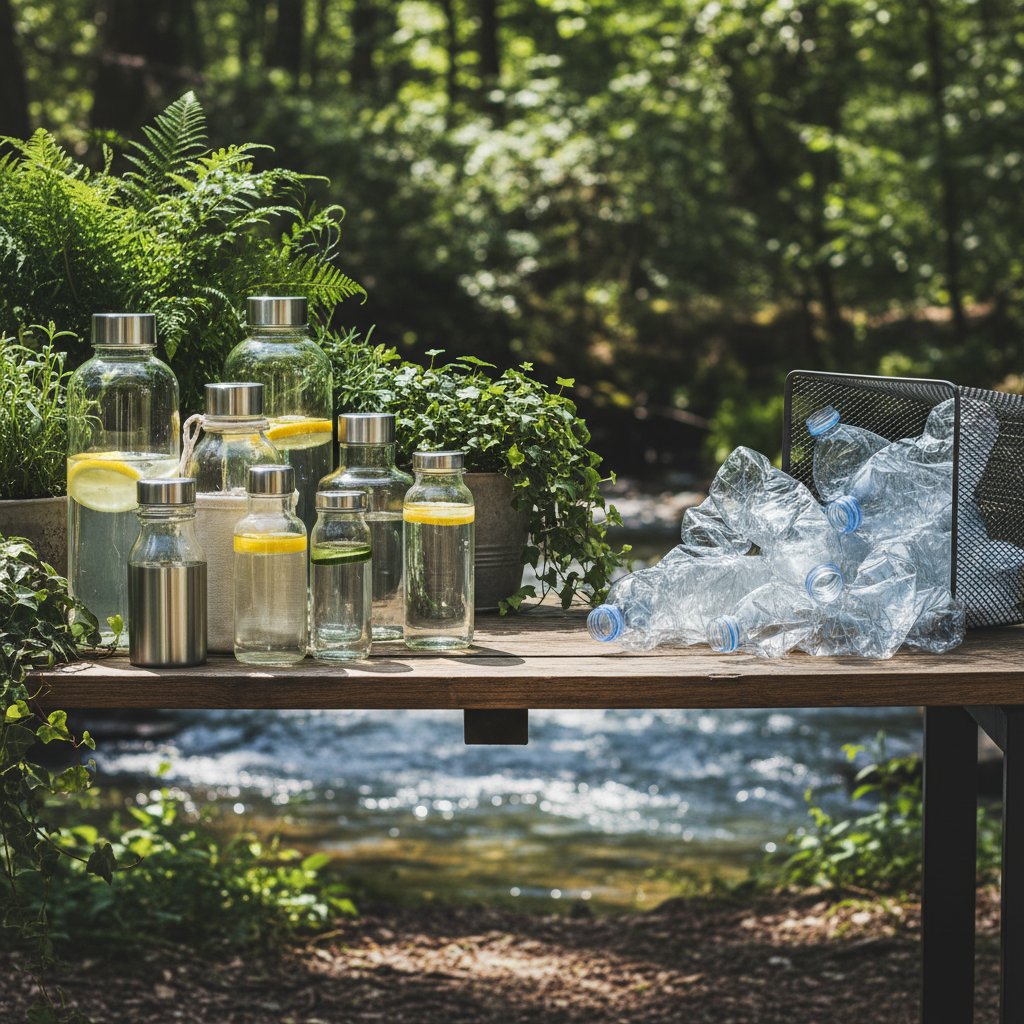
Bottle return and reuse programs are now the norm, not a feel-good extra. Most companies track their bottles meticulously—each one gets cleaned, sanitized, and refilled 30-50 times before recycling. Some services have started using biodegradable labels and eliminated plastic wrap entirely.
A few forward-thinking companies now show you the environmental impact of your orders: gallons of single-use plastic avoided, carbon offset from reusable bottles, that sort of thing. It's not greenwashing when they're actually picking up every empty bottle and putting it back into circulation. The closed-loop system works, and customers can see the receipts.
The water delivery landscape looks nothing like it did even three years ago. Speed, convenience, and transparency have gone from differentiators to baseline expectations. The services that get it understand they're not just delivering water—they're solving the small daily headache of "do we have enough clean drinking water?" And in 2024, they're solving it pretty damn well.